|
SCARLET FEVER (SCARLATINA) |
 |
 WHAT IS SCARLET FEVER? WHAT IS SCARLET FEVER?
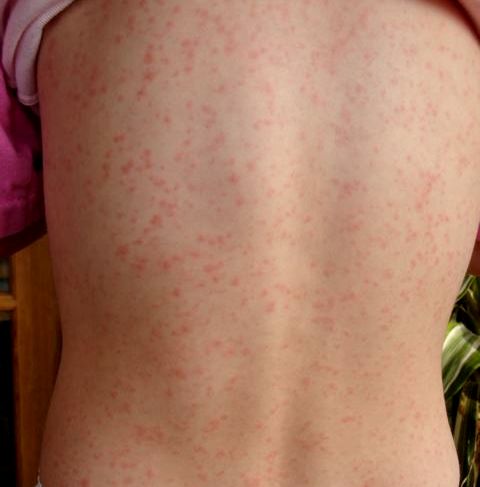
Scarlet fever is a childhood disease that causes a rash all over the body, consisting of small red spots and bumps. It is caused by a bacterium called
beta-hemolytic streptococcus (Streptococcus pyogenes). This streptococcus often causes a throat infection with symptoms such as a sore throat or fever. The bacteria produce toxins, and the rash is a reaction to these toxins. Scarlet fever is one of a group of spotted diseases that children often get in succession at a young age, such as measles, rubella, fifth disease, and sixth disease. It is contagious, so other children in the vicinity can also get it. The medical name for scarlet fever is
scarlatina.
 |
 |
 |
|
scarlet fever |
scarlet fever |
strawberry tongue |
Photos: Estreya and SyntGrisha - Wikimedia (Creative
Commons License
4.0).
WHAT DOES SCARLET FEVER LOOK LIKE?
Scarlet fever is mainly seen in young children aged 3 to 6 years and usually develops after a throat infection. So the children have a sore throat, are sometimes a little ill, and may have a fever.
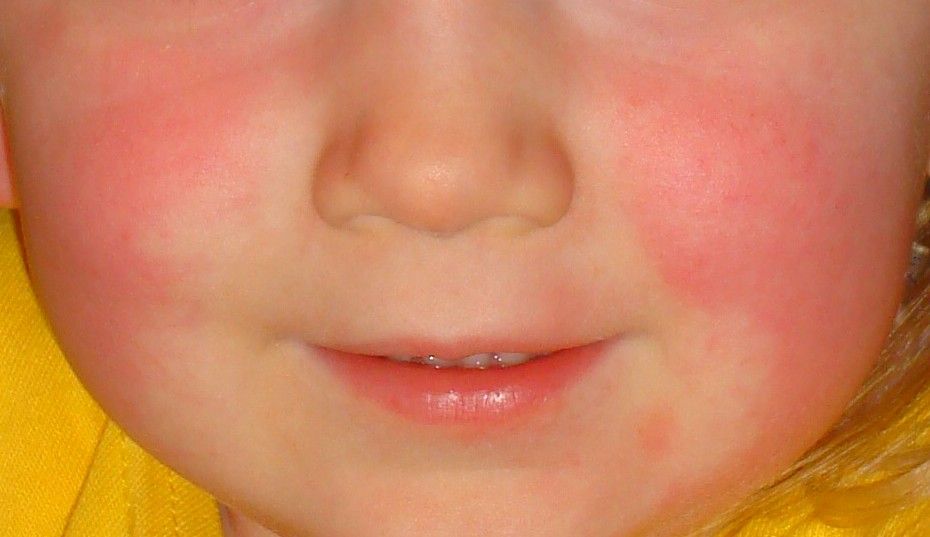
The throat is red, the tonsils may be swollen, and the tongue is often red and has white red spots. This resembles a strawberry, which is why it is called strawberry tongue. Two to seven days after the infection, small red spots and bumps appear all over the body. These are mainly found in the folds (neck, armpits, groin, inner thighs, elbow folds) and on the chest. Sometimes the spots merge and the whole body turns light red. Small, hard bumps may develop, making the skin feel like sandpaper. The spots also appear on the face, especially on the cheeks, but the area around the nose and mouth often remains unaffected. The rash lasts 3-5 days and then disappears. The skin on the hands and feet, especially on the fingertips, may peel later. Much later, lines may appear in the nails.
HOW DOES SCARLET FEVER DEVELOP?
Scarlet fever is caused by an infection with the bacterium called beta-hemolytic streptococcus, group A (Streptococcus pyogenes). This bacterium causes all kinds of infections, especially throat infections (angina) and respiratory infections in young children, and skin infections and wound infections in older people. The bacteria enter the body through the mouth and nose, via contaminated droplets that remain in the air when someone with a streptococcal infection sneezes or coughs. They can also be transmitted via the hands or via contaminated clothing or other materials. The symptoms of the disease begin 2 to 7 days after the bacteria have entered the body. The bacteria produce toxins, and the rash is a reaction to these toxins. Someone with scarlet fever is contagious when the first symptoms appear, even before spots appear. This lasts until the skin has finished peeling.
IS SCARLET FEVER DANGEROUS?
Scarlet fever is usually not dangerous. In most cases, the infection is mild, with symptoms such as a sore throat, fever, and lethargy (feeling sick and weak). However, complications caused by the bacteria can occur, such as blood poisoning, pneumonia, meningitis, kidney dysfunction, and acute rheumatism. Fortunately, these complications are very rare. Serious complications such as meningitis or blood poisoning (sepsis) must be treated in hospital.
HOW IS SCARLET FEVER TREATED?
Scarlet fever goes away on its own. If children are not very ill, they do not need to be treated with antibiotics. If there are more symptoms, such as a severe sore throat, high fever, or swollen tonsils, it is wise to use antibiotics. Antibiotics reduce the symptoms, shorten the duration of the illness, and can also prevent the infection from spreading to other children.
Scarlet fever is usually treated with penicillin-type antibiotics such as pheneticillin or amoxicillin. If the patient is allergic to penicillin, other antibiotics such as azithromycin, clarithromycin, or clindamycin can be given.
CAN SOMEONE WITH SCARLET FEVER GO TO SCHOOL OR WORK?
If a child feels well, they can go to daycare, preschool, or school as usual. Scarlet fever is contagious even before the spots appear. Staying home does not help prevent others from getting sick. Does your child have scarlet fever? If so, please inform the teacher or caregiver. They can then consult with the Municipal Health Service to inform other parents. Parents can then watch for symptoms of scarlet fever in their child.
An adult with scarlet fever who feels well can continue to work. Do you work in healthcare? Then you must first consult with your employer before returning to work.
WHAT TO DO IN THE EVENT OF A SCARLET FEVER EPIDEMIC?
If many children in a class suddenly develop scarlet fever (more than 3 cases in a month), or if there are cases with serious consequences such as kidney damage or rheumatism, it is an option to check all children and their family members for signs of infection and treat them with antibiotics to prevent further spread.
|